
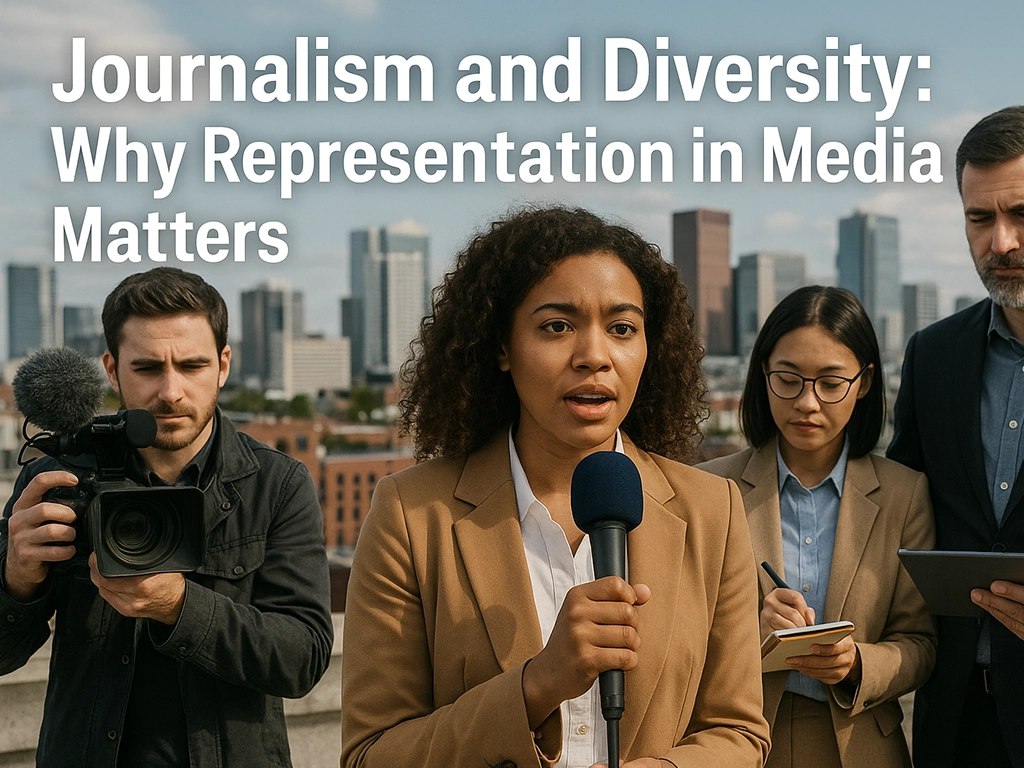
In a world shaped by rapid globalization, cultural shifts, and increasingly diverse societies, journalism holds a powerful mirror to the communities it serves. But what happens when that mirror is distorted-when only certain voices, perspectives, or identities are reflected in our media?
The conversation around diversity in journalism isn’t just about fairness or inclusion-it’s about accuracy, credibility, and trust. A truly representative media landscape ensures that stories are told with authenticity, nuance, and relevance. In this article, we explore why diversity in journalism matters, what challenges still exist, and how the United States Press Agency (USPA) helps support inclusive reporting in an evolving media landscape.
The Power of Representation
Journalists shape public perception by deciding which stories to tell-and how to tell them. When newsrooms lack diversity, the risk of biased storytelling, missing narratives, or harmful stereotypes grows significantly. Representation isn’t about tokenism; it’s about ensuring that the people reporting the news reflect the society they cover.
Imagine a city with large immigrant, LGBTQ+, or Indigenous populations-but none of these communities are represented in the local newsroom. What gets lost? Local issues, culturally specific angles, linguistic nuance, and trust from readers who don’t see themselves in the coverage. In the worst cases, misrepresentation or omission can fuel marginalization and mistrust.
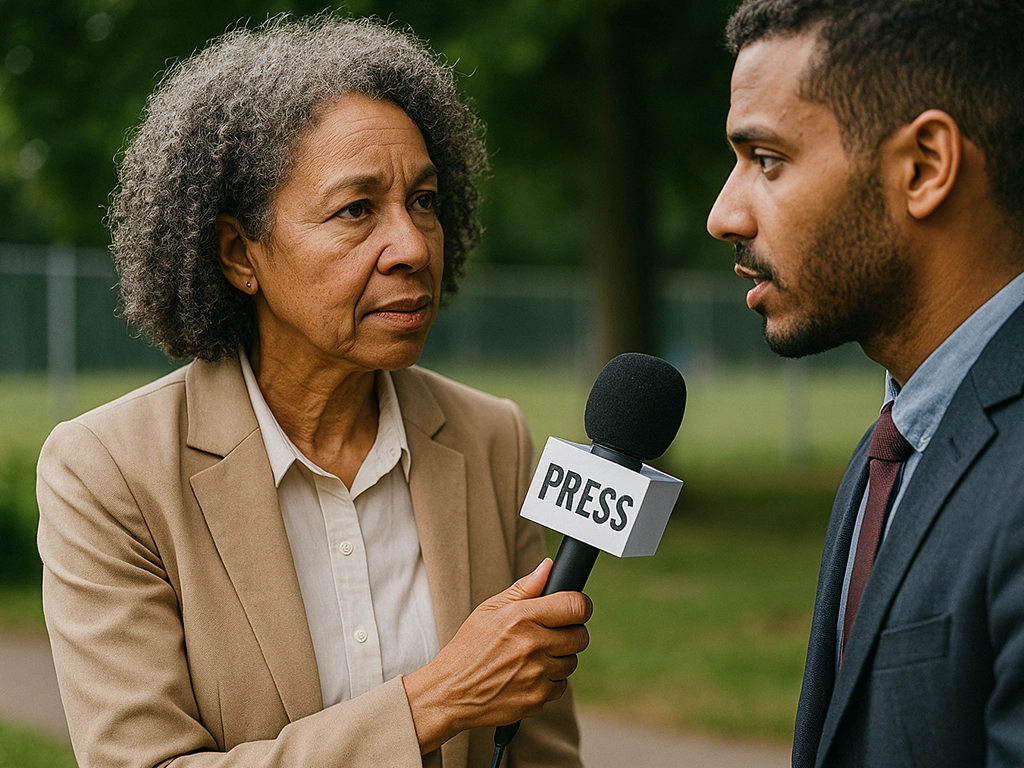
When reporters share cultural backgrounds or experiences with the subjects they cover, the result is often more respectful, informed, and impactful journalism. Diverse perspectives also bring creativity to editorial discussions, broaden coverage areas, and challenge ingrained newsroom assumptions.
Persistent Challenges in Media Diversity
Despite growing awareness, many barriers to diversity in journalism remain:
- Underrepresentation in Newsrooms
Women, people of color, LGBTQ+ journalists, and individuals from lower-income or rural backgrounds remain underrepresented, particularly in senior editorial positions. While entry-level diversity has improved, leadership ranks often don’t reflect the same breadth of identity.
- Access to Opportunities
Structural inequality affects who becomes a journalist in the first place. Unpaid internships, elite academic pipelines, and urban-based opportunities make it harder for marginalized individuals to enter or advance in the field.
- Bias in Editorial Decisions
Even well-meaning newsrooms can fall into biased practices-like prioritizing certain topics, quoting the same types of experts, or failing to challenge dominant narratives. Without a diverse editorial lens, these decisions can go unchecked.
- Harassment and Safety
Journalists from marginalized groups-especially women and journalists of color-report higher rates of harassment online and in the field. This toxic environment can lead to burnout, censorship, or even withdrawal from public platforms.
Why Diversity Strengthens Journalism
Diverse journalism doesn’t just benefit underrepresented communities-it benefits everyone. Here’s how:
- Accuracy and Depth: Diverse teams are better equipped to challenge stereotypes, add cultural context, and spot inaccuracies in language or framing.
- Trust and Relevance: When readers see their communities reflected in the media, trust grows. A representative newsroom is more likely to cover local realities authentically.
- Innovation and Reach: Diverse teams bring new ideas, storytelling formats, and language fluency that can engage wider audiences across multiple platforms.
- Ethical Resilience: A culture of inclusion helps journalists better navigate ethical dilemmas, especially when covering sensitive social, racial, or religious topics.
The credibility of journalism as a public service depends on reflecting the whole public-not just a segment of it.

Steps Toward a More Inclusive Media
There’s no one-size-fits-all solution to improving diversity in journalism, but progress begins with intent and accountability. Here are key steps that individuals and institutions can take:
- Hiring and Promoting Diverse Talent
Newsrooms must commit to inclusive recruitment practices that go beyond traditional pipelines. This means seeking out talent from community colleges, regional publications, and alternative media.
- Mentorship and Career Development
Support for early-career journalists-through mentorships, fellowships, and scholarships-can help bridge gaps in experience and access. Mentorship also helps retain diverse talent by building confidence and networks.
- Reevaluating Editorial Norms
Editors and reporters should routinely question: Whose story is this? Who is missing from this piece? How can we include more community voices? This kind of editorial self-awareness fosters accountability.
- Supporting Safe Work Environments
Establishing clear policies against harassment, as well as providing trauma support and legal backing, is essential to protecting journalists-especially those facing identity-based threats.
- Investing in Diversity Training
Ongoing training in unconscious bias, inclusive language, and ethical storytelling helps cultivate newsroom cultures where everyone can contribute and grow.
The Role of USPA in Promoting Diverse Journalism
The United States Press Agency recognizes that diversity is a cornerstone of strong journalism. USPA actively supports diversity through:
- Inclusive Membership: Open to journalists, photographers, artists, and creators from all walks of life, regardless of background, geography, or career stage.
- Access to Professional Credentials: Offering equal recognition and legitimacy to freelance and nontraditional journalists, enabling broader representation.
- Workshops and Webinars: Providing resources on inclusive storytelling, cultural competency, and ethical reporting in diverse communities.
- Networking and Peer Support: Fostering a community where underrepresented voices can find mentorship, visibility, and collaboration.
By leveling the playing field, USPA helps ensure that more journalists can tell their stories-and the stories of others-with confidence, professionalism, and safety.

Conclusion: Journalism for Everyone
A free press must be a representative press. Diversity in journalism isn’t a trend or checkbox-it’s a necessity for justice, democracy, and truth. When media reflects society in all its complexity, the public is better informed, more engaged, and more empowered.
As newsrooms navigate the future, they must do more than publish diverse content-they must embody diversity within their ranks, values, and practices. Every journalist, editor, and organization plays a role.
USPA stands behind this mission, offering support, resources, and recognition to journalists who are shaping a more inclusive media landscape. Because when more voices are heard, more stories are told. And those stories matter.