
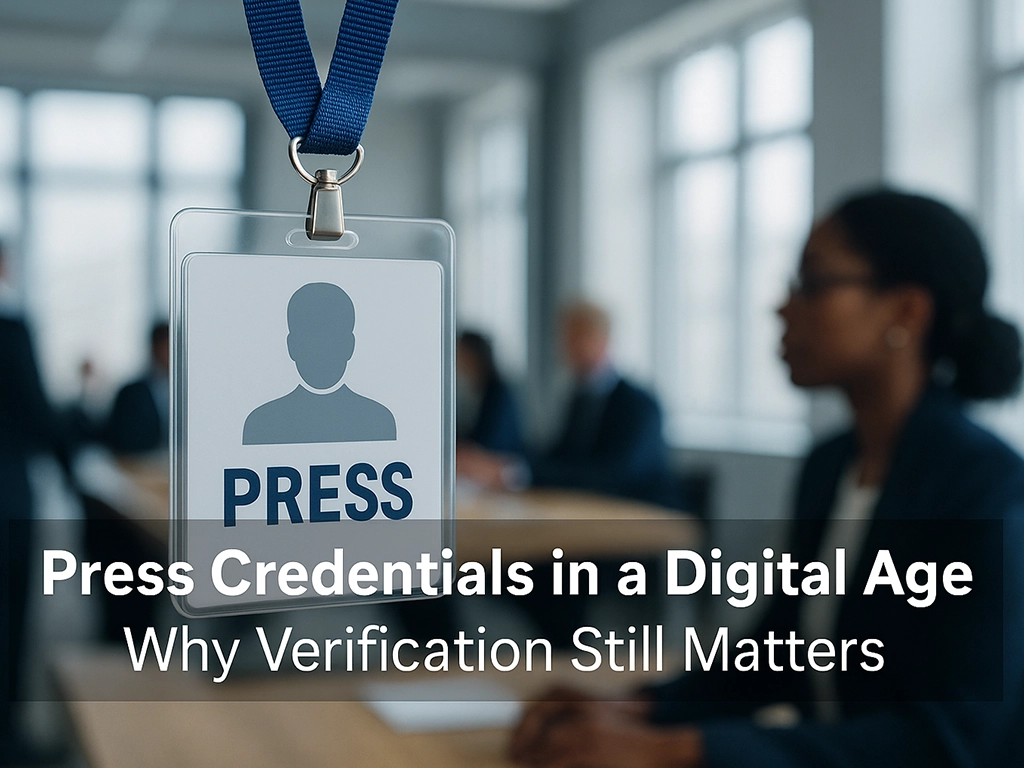
In a world where journalism is increasingly digital, decentralized, and democratized, the concept of press credentials has become both more important-and more misunderstood-than ever before. Anyone can publish a tweet, upload a video, or launch a blog. But who counts as a journalist, and how do you prove it when access, trust, and credibility are on the line?
In the digital age, press credentials are not just physical passes hanging around a lanyard. They are digital proofs of identity, professional recognition, and functional tools that open doors-both metaphorically and literally. Whether you’re a freelancer reporting from a protest, a documentary photographer at a cultural event, or a writer applying for credentials to cover an international summit, having verifiable press status can make or break your ability to work.
This article explores why press credentials still matter, how they have evolved, the challenges of journalism in an open-media world, and how USPA (United States Press Agency) supports journalists with official, internationally recognized press identification.
The Changing Landscape of Journalism
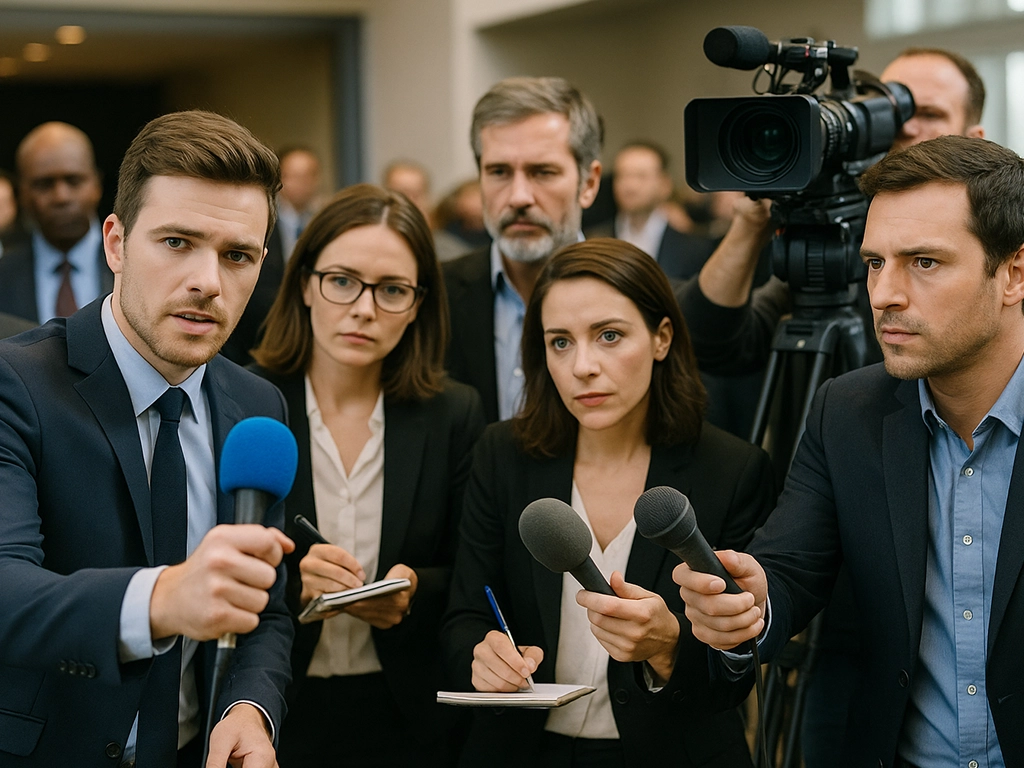
In the past, press credentials were typically issued by major media outlets or government institutions, reserved for staff reporters and official correspondents. But the rise of freelancing, blogging, independent media, citizen journalism, and social content creation has shifted this paradigm.
Now:
- Reporters often work across multiple platforms and outlets.
- Many journalists are self-employed or project-based.
- A growing number operate outside traditional press institutions.
The lines between professional and independent journalism are blurred. Yet despite these changes, access control remains real: press zones, events, courtrooms, and even conflict areas often require verified identification to ensure security and credibility.
Why Press Credentials Still Matter
Here’s why verified press credentials are essential-even in a time when anyone can post content online:
- Access to Events, Spaces, and Interviews
Credentialed journalists are more likely to gain admission to:
- Press conferences and media briefings
- Cultural, political, or sporting events
- Crime scenes or restricted public spaces
- Court hearings and legislative sessions
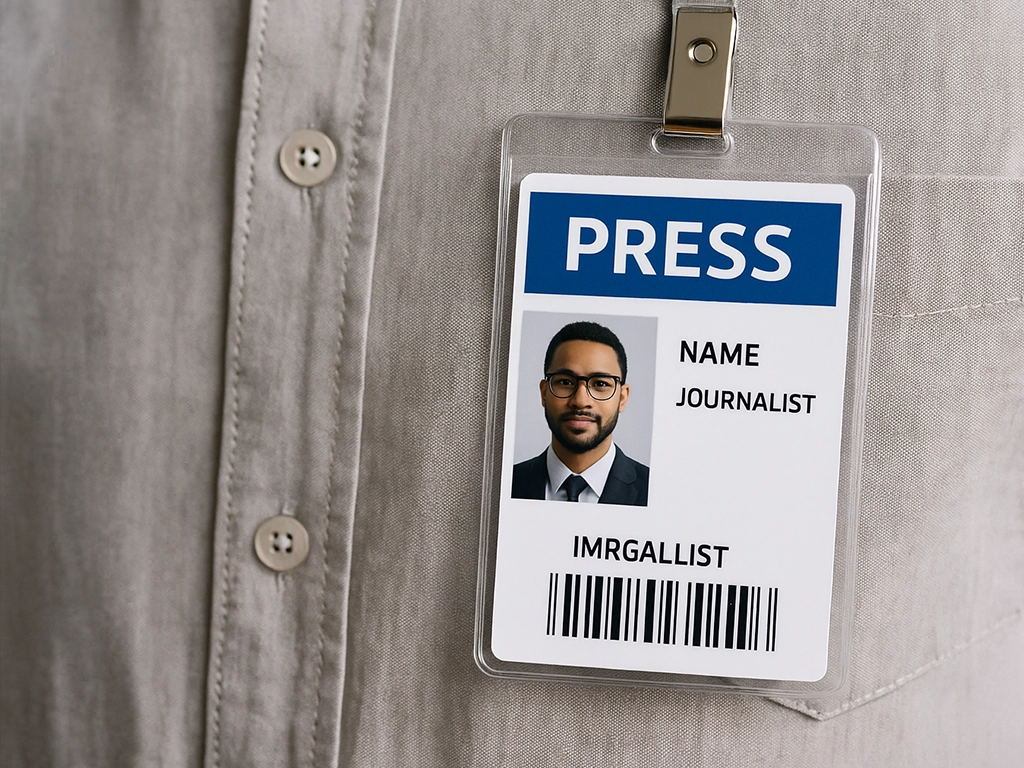
Your press card signals: “I’m here to work. I represent a media agency. I follow professional standards.”
- Credibility and Trust
A verifiable press ID adds legitimacy in the eyes of:
- Interview subjects
- Public officials
- Law enforcement
- Fellow journalists
- Editors and commissioning agents
It can also de-escalate situations in dangerous environments, protests, or international zones.
- Protection of Rights
In many countries, journalists have special legal protections-but only if they can prove their professional status. A credentialed journalist has more grounds to assert rights related to:
- Freedom of the press
- Protection of sources
- Legal immunity in reporting contexts
- Digital Verification and Online Presence
A physical card is no longer enough. In the digital world, having online-verifiable credentials via a legitimate press agency adds a layer of transparency. Editors and readers want to know: “Who is this person? Are they really a journalist?”
This is where the USPA Press Credential System comes in.
The Digital Press Card: Beyond Plastic
The modern press credential includes:
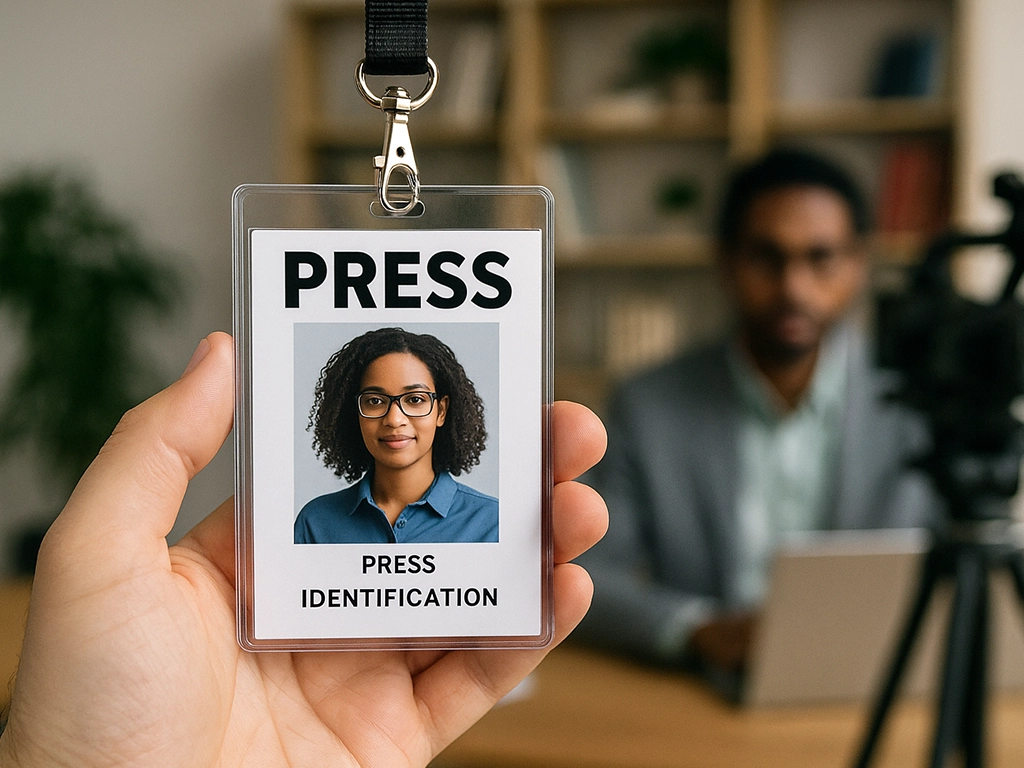
- A physical card with a scannable QR code and high-quality ID photo
- A secure online verification page, confirming your active membership
- A digital badge or signature, which can be placed on your email, website, or social profile
- Optional vehicle passes, press vests, and lanyards for identification in the field
All these elements work together to create an identity that is both portable and verifiable, which is essential in an age where impersonation, disinformation, and fake journalism are rampant.
Why Freelancers Need Credentials Most
Staff journalists are typically issued credentials through their employers. But what about:
- Freelancers working across borders?
- Investigative reporters on long-term assignments?
- Videographers and photographers in the field?
- Citizen journalists operating without editorial backing?
These professionals often face skepticism, denial of access, or even legal risk-simply because they lack official proof of status.
USPA fills that gap by offering recognized credentials for independent professionals, with flexible membership models that reflect the reality of modern journalism.
Common Myths About Press Credentials
Let’s clear up a few misconceptions:
– “You need to be employed by a major news outlet to get credentials.”
– False. Freelancers and independents can obtain credentials through agencies like USPA if they meet the criteria for press activity.
– “If I have a blog or podcast, that’s enough.”
– Maybe, but not always. For legal access or official recognition, a verified press ID is often required.
– “Press credentials are just vanity badges.”
– Absolutely not. They are tools for legal protection, professional access, and digital trust.
How to Get Press Credentials Through USPA
The United States Press Agency offers a straightforward process to obtain a recognized press card, with a focus on journalistic integrity and accessibility.
Requirements:
- Demonstrable media activity (published work, portfolio, website)
- ID verification (passport or national ID)
- Short application review (including topic/beat focus)
- Agreement to the code of ethics and terms of use
What You Receive:
- Official USPA Press Card (physical and digital)
- Membership certificate
- Online verification profile
- Optional add-ons: vest, vehicle pass, digital badge
Membership includes access to training resources, international directories, legal guidance, and peer networking.
Real-World Use: What Journalists Say
“I was covering a political protest where the police started questioning who was press and who wasn’t. My USPA press ID made the difference in staying safe and continuing my coverage.”
– Sofia M., independent documentary filmmaker
“Applying for media access at a major film festival was seamless with my digital profile and USPA membership.”
– Julian R., culture journalist
“As a freelancer traveling across borders, I needed something internationally recognizable. USPA gave me exactly that.”
– Daniel T., global correspondent
The Future of Press Verification
The evolution of journalism will continue-AI, remote reporting, mobile journalism-but the need for trusted identities will only grow.
We’re already seeing:
- Biometric-enabled press IDs
- Blockchain-based credential verification
- International press registries
- Embedded NFC tags in wearable gear
But no matter how tech evolves, the principle stays the same: Verification builds trust. And without trust, journalism cannot function.
Conclusion: Your Work Deserves Recognition
Being a journalist in the 2020s means being versatile, digital, and mobile. But it also means being professional, accountable, and verified.
Don’t let outdated assumptions or gatekeeping stop you from doing your work. Get the credentials that match your contribution. Whether you’re filing stories from your hometown or from the frontlines, your role matters-and it deserves recognition.
Press credentials in the digital age are more than ID cards.
They are tools for access, safety, and credibility in a world flooded with noise.
Join USPA and strengthen your voice, your reach, and your legitimacy.